

After working with HVAC and chilled water systems for many years, I can say with confidence that pipe insulation is one of the most underestimated components in system performance. Many beginners focus heavily on chillers, pumps, and controls, but overlook insulation—until condensation, corrosion, or energy loss becomes a problem.
In this article, I will walk you through how to choose the best insulation for chilled water pipes, step by step, using practical experience rather than theory alone.
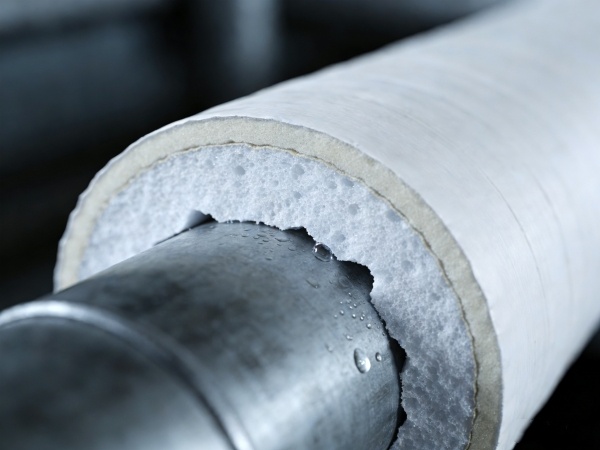
Chilled water pipes typically operate below the ambient dew point temperature. Without proper insulation, this creates the perfect conditions for surface condensation, which can lead to dripping ceilings, mold growth, corrosion under insulation (CUI), and even structural damage.
From an energy perspective, uninsulated or poorly insulated pipes absorb heat from the surrounding air. This increases the cooling load, forces chillers to work harder, and drives up operating costs. In commercial and industrial buildings, these losses can be substantial over time.
In short, proper chilled water pipe insulation is not optional—it is essential for energy efficiency, system reliability, and long-term asset protection.
When selecting insulation for chilled water systems, I always evaluate materials against several non-negotiable performance criteria:
A low thermal conductivity (low K-value) minimizes heat gain from the environment, helping maintain stable water temperatures and reducing energy consumption.
Condensation control is critical. Insulation must resist moisture vapor ingress, as absorbed moisture dramatically reduces insulation performance and accelerates corrosion.
In my experience, closed-cell insulation materials perform far better in chilled water applications because they limit water absorption and maintain consistent thermal properties over time.
Pipes are often exposed to foot traffic, vibration, or maintenance activity. Insulation should resist compression and physical damage without cracking or tearing.
Most commercial projects must meet local fire codes and smoke development standards, making fire performance another key consideration.
Based on the materials you specified, the following are widely used insulation options for chilled water piping, each with distinct strengths and limitations.
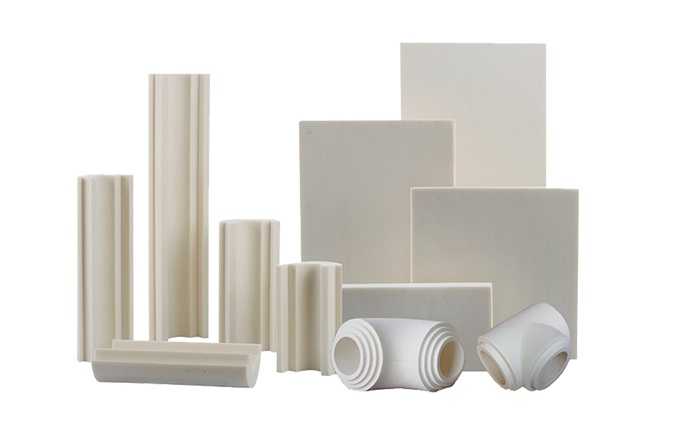
PIR insulation offers low thermal conductivity and good fire performance, making it attractive for energy-efficient HVAC systems. It is typically supplied in rigid board or pipe section form and requires an external vapor barrier for chilled water applications. Without proper sealing, moisture ingress can reduce its effectiveness.
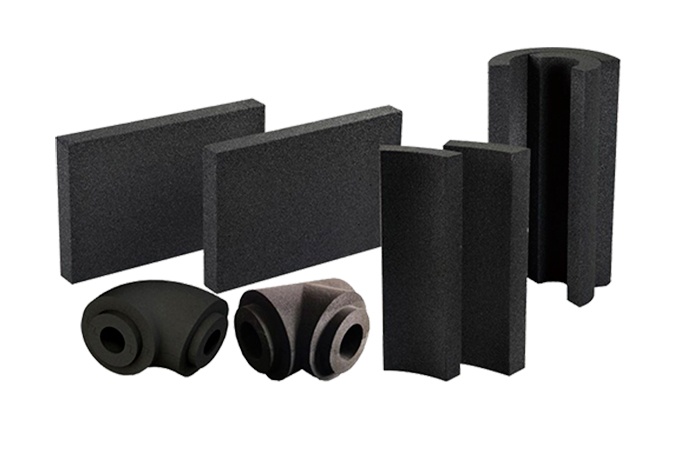
Cellular glass is a non-combustible, closed-cell insulation with exceptional moisture resistance. It does not absorb water and provides excellent long-term dimensional stability. In my experience, it performs extremely well in demanding environments, although it is heavier, more rigid, and more expensive than polymer-based alternatives
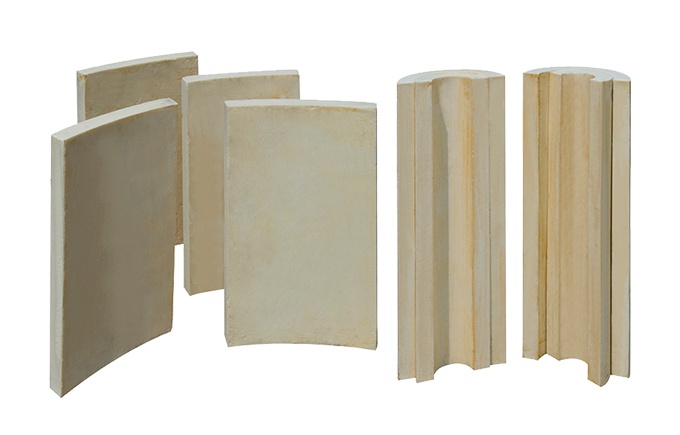
PUR foam is widely used in pre-insulated piping systems and factory-applied insulation solutions. It delivers consistent insulation quality and good thermal efficiency, but site repairs and modifications can be more challenging compared to flexible insulation materials.
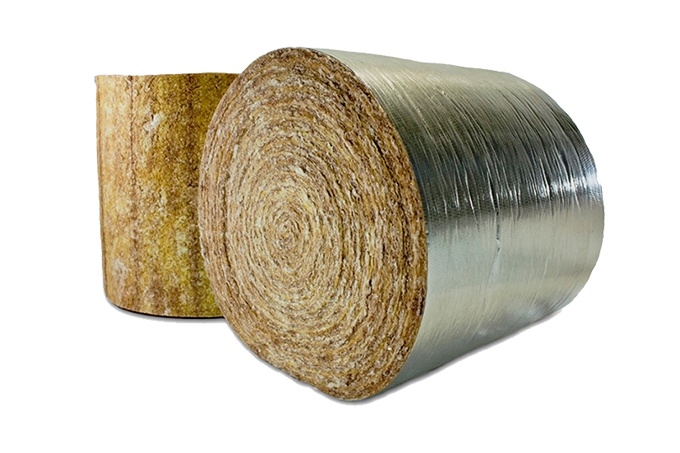
Glass fiber blankets provide good thermal resistance and are commonly used in HVAC systems. However, because glass fiber is open-cell, it must rely on a perfectly installed vapor barrier to prevent moisture intrusion. In chilled water systems, any vapor barrier failure can lead to condensation and insulation degradation.
Choosing the best insulation for chilled water pipes depends heavily on operating environment and installation conditions.
In high-humidity or condensation-prone areas, I often recommend cellular glass or properly sealed PUR/PIR systems due to their moisture resistance. Cellular glass, in particular, performs reliably in areas where water exposure is unavoidable.
For space-constrained installations, rigid polyurethane or PIR insulation can achieve high thermal performance with reduced thickness, provided vapor barriers are correctly applied.
In mechanical rooms and accessible indoor areas, glass fiber resilient blankets may be used when budgets are tight, but only with strict attention to vapor barrier integrity and routine inspections.
For factory-insulated or district cooling pipelines, PUR foam systems offer excellent consistency and long-term performance when professionally installed.
From my experience, the most common mistake beginners make is evaluating insulation based solely on material price. The true cost of chilled water pipe insulation lies in lifecycle performance.
Cellular glass has a higher initial cost but offers unmatched durability and moisture resistance, often resulting in the lowest long-term maintenance costs. PIR and rigid polyurethane foams strike a strong balance between energy efficiency and installation cost when vapor control is properly designed.
Glass fiber insulation appears economical at first, but the risk of moisture absorption and performance loss can lead to higher operational costs if installation quality is not strictly controlled.
The best insulation choice is one that balances thermal efficiency, vapor control, mechanical durability, installation quality, and total lifecycle cost, rather than focusing on a single parameter.

Copyright ? 2025ZHEJIANG ZHENSHEN INSULATION TECHNOLOGY CORP.LTD. All rights reserved. 網站備案/許可證號:浙ICP備16010266號-1