

Cold insulation materials are specialized thermal solutions designed for low-temperature environments, typically ranging from –200°C to +15°C. Unlike thermal insulation for high-temperature systems, cold insulation focuses on preventing external heat from entering equipment or pipelines. By reducing heat transfer, these materials help maintain process stability, minimize energy loss, and stop condensation or frost from forming on surfaces.
With decades of experience in the insulation industry, ZES has seen how critical cold insulation is across petrochemical plants, LNG facilities, refrigeration warehouses, and shipbuilding projects.
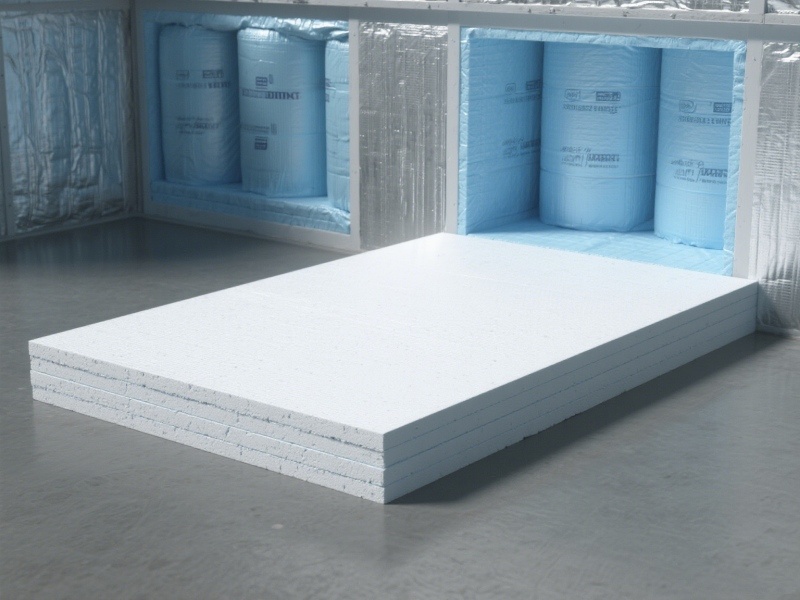
The advantages of cold insulation materials go far beyond simple temperature control. Properly installed insulation delivers:
Energy efficiency: Less energy is required to maintain low temperatures, which reduces operating costs.
Condensation prevention: Stops surface moisture, preventing corrosion and mold. Equipment protection: Extends the service life of tanks, pipes, and refrigeration systems.
Safety: Prevents frost damage and protects workers from contact with freezing surfaces.
Sustainability: By lowering energy demand, cold insulation also helps reduce carbon emissions.
At ZES, we have witnessed many projects where the choice of insulation directly impacted long-term reliability and efficiency.
There are several categories of cold insulation materials, each with its own strengths:
1. Cellular Glass – An inorganic, non-combustible material that is waterproof, durable, and resistant to chemicals, making it ideal for LNG tanks and petrochemical pipelines.
2. PIR Insulation (Polyisocyanurate Foam) – Offers excellent thermal performance and improved fire resistance compared to traditional polyurethane.
3. PUR / PUF Insulation (Polyurethane Foam) – Lightweight and cost-effective, widely used in cold storage and refrigeration units.
4. Aerogel Felt – Known as one of the most advanced insulators, offering ultra-low thermal conductivity while remaining flexible and lightweight.
5. Resilient Blanket – A flexible insulation blanket made from mineral or glass fibers, suitable for irregular shapes and surfaces.
6. Fiber Glass – A widely used insulation material with good thermal properties and fire resistance, often applied in HVAC systems.
As a factory supplier, ZES provides all these materials in bulk, ensuring consistent quality and reliable supply for international projects.
The applications of cold insulation are broad and critical across many industries:
Petrochemical and LNG storage: For liquefied gases that must remain at cryogenic temperatures.
Cold storage warehouses: Essential for preserving food and pharmaceuticals.
Refrigeration and HVAC systems: Used in commercial buildings, supermarkets, and industrial plants.
Shipbuilding and marine: Insulation for refrigerated cargo holds and marine pipelines.
Industrial equipment: Protecting tanks, vessels, and pipelines in low-temperature processes.
In all these areas, ZES products have been trusted to deliver performance and durability.
Low-temperature systems are highly sensitive to heat gain. Even minor thermal leaks can cause condensation, ice buildup, or increased energy demand. Over time, these issues can lead to corrosion, equipment damage, and higher maintenance costs.
Cold insulation materials act as the first line of defense, keeping systems stable and efficient. For projects handling LNG or pharmaceuticals, reliable insulation is not optional—it is essential for safety, quality, and compliance. As specialists, ZES always emphasizes that investing in proper insulation upfront saves significant costs over the lifespan of a project.
Cold insulation materials are more than just coverings; they are an essential component of modern industrial, commercial, and marine systems. From cellular glass and PIR to aerogel felt and fiberglass, each material serves a unique purpose in controlling temperature, preventing condensation, and improving energy efficiency.
With years of hands-on experience, ZES continues to provide high-quality cold insulation solutions directly from our factory, ensuring customers receive both technical support and dependable supply. Whether for petrochemical plants, cold chain logistics, or ship insulation, ZES remains a trusted partner for long-lasting performance.

Copyright ? 2025ZHEJIANG ZHENSHEN INSULATION TECHNOLOGY CORP.LTD. All rights reserved. 網(wǎng)站備案/許可證號(hào):浙ICP備16010266號(hào)-1